
How a Local Screen Enclosure Handles Severe Storms
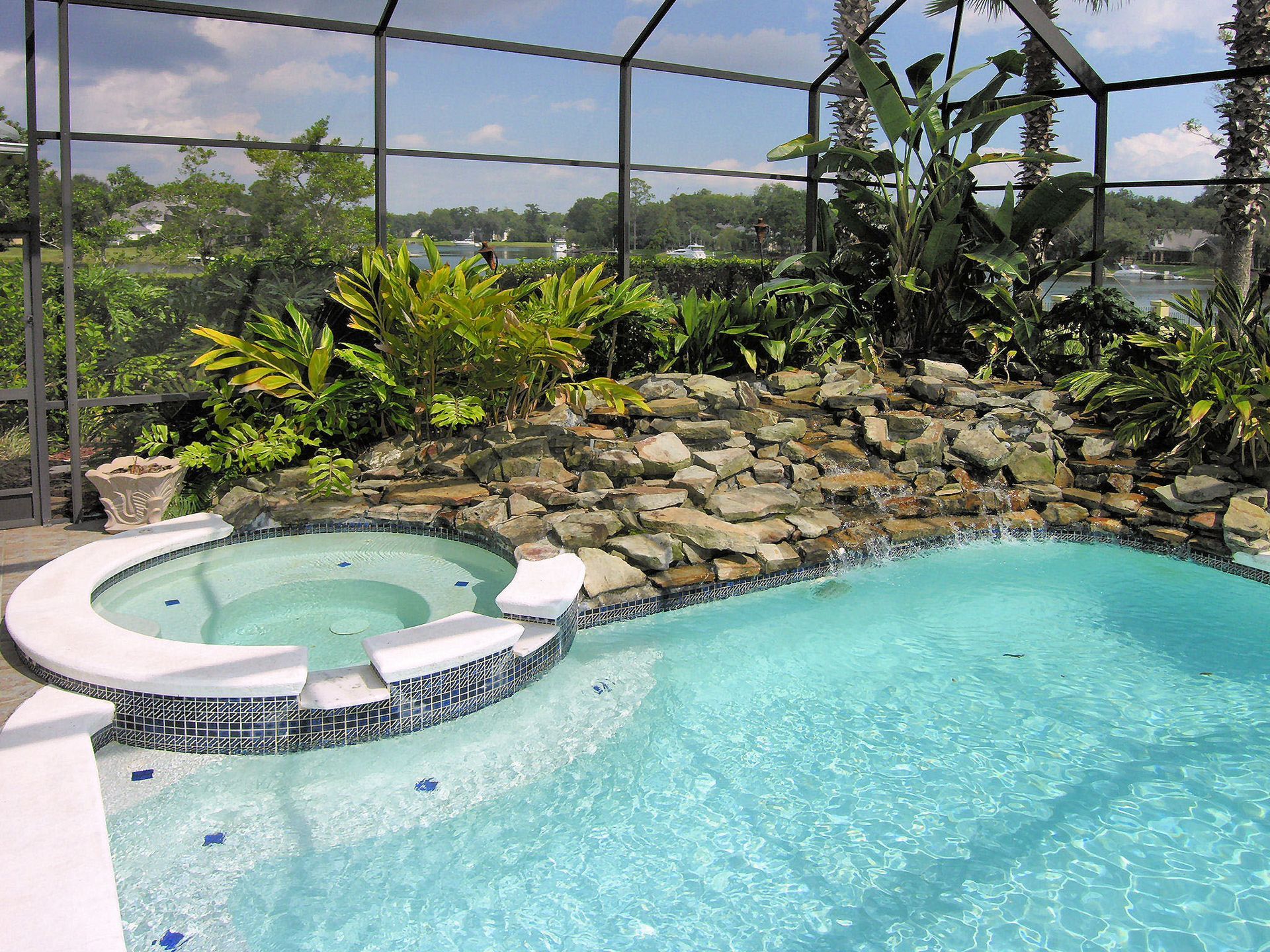
Severe storms can bring strong winds, heavy rainfall, flying debris, and sudden changes in weather that challenge outdoor structures. A properly designed and installed screen enclosure can help homeowners enjoy their patios and outdoor living spaces while providing protection from insects and everyday debris. However, its ability to withstand severe weather depends on the frame, screen materials, installation quality, and maintenance. Understanding how a local screen enclosure responds to storm conditions can help homeowners make informed decisions about protecting their outdoor spaces.
Withstanding Strong Winds
Strong winds are one of the biggest challenges for outdoor structures during severe storms. Wind can place pressure on frames, pull at screen panels, and stress the fasteners that hold an enclosure together. The structure's design and installation play important roles in determining how well it handles these forces.
Aluminum framing is commonly used for screen enclosures because it provides a sturdy structural framework without excessive weight. Properly secured framing and appropriately installed hardware help maintain the enclosure's stability during ordinary weather conditions and moderate wind exposure. However, performance during severe storms depends on the specific design, materials, and applicable building requirements.
A local screen enclosure should be designed with the property's environment and expected weather conditions in mind. Homeowners should discuss wind exposure, attachment points, and applicable building codes with their contractor before installation. Structures that are not properly anchored or maintained may be more vulnerable during strong gusts.
It is also important to recognize that no standard screen enclosure is guaranteed to withstand every storm. During severe weather, homeowners should follow local safety guidance and avoid using outdoor structures when conditions become dangerous.
Managing Heavy Rainfall
Heavy rain can quickly affect patios, outdoor furniture, and nearby landscaping. A screen enclosure can provide some shelter from wind-driven rain, depending on its configuration, but a screened structure is not necessarily waterproof. Rain can pass through screen panels, especially when wind pushes water sideways into the enclosure.
The roof design, drainage arrangements, and surrounding landscape all influence how water moves around an outdoor living area. A properly planned enclosure should account for runoff so water does not collect around its base or flow toward the home. Gutters, where included in the design, should also remain clear and function as intended.
Homeowners can reduce potential water-related problems by keeping nearby drains clear, checking for standing water, and removing leaves from drainage paths. After a storm, inspect the area for pooling water, soil erosion, and signs that runoff is moving in an unexpected direction.
When planning a local screen enclosure, consider how rainfall typically affects the property. Discussing drainage and roof options with an experienced installer can help create an outdoor space that better suits the local climate.
Limiting Damage From Flying Debris
Storms can send branches, leaves, and other loose objects into outdoor structures. Screen panels may help keep some everyday debris from entering a patio, but they are not designed to stop every object propelled by strong winds. Large branches and heavy debris can tear screens, bend framing, or damage attachment points.
The materials used in an enclosure influence its durability. Screen fabrics vary in strength, visibility, and intended use, while frame construction and hardware affect the overall structure. Selecting materials based on the property's needs can help homeowners balance durability with ventilation and visibility.
Preparing the surrounding area before a storm is equally important. Homeowners should take time to:
- Secure lightweight patio furniture, cushions, and decorations.
- Move portable planters and other loose objects indoors when possible.
- Trim trees as appropriate and remove dead branches that could fall near the enclosure.
- Store umbrellas and other items that could catch the wind.
- Follow local guidance about preparing outdoor structures for severe weather.
These precautions reduce the amount of loose material that could strike the enclosure during a storm. Even a well-built structure can sustain damage when exposed to powerful winds and flying debris, so preparation remains essential.
Protecting the Frame and Screen Panels
The frame and screen panels work together to form the enclosure, but each component responds differently to storm conditions. The frame provides structural support, while the screens allow airflow and help keep insects and small debris out. Damage to either component can affect the enclosure's performance.
A local screen enclosure should use materials and hardware suited to its intended application. Strong connections, properly fitted panels, and secure attachment points help maintain the structure's integrity. Installation quality is especially important because poorly secured components may loosen over time or become more vulnerable under stress.
Routine inspections can help homeowners identify problems before the next storm. Look for loose fasteners, bent frame sections, torn screen fabric, gaps around connections, and corrosion or other visible deterioration. Addressing these issues promptly may help prevent minor damage from becoming more extensive.
After severe weather, inspect the enclosure from a safe location before using it again. Do not touch damaged electrical components or attempt to repair unstable framing yourself. If the structure appears bent, loose, or unsafe, arrange a professional inspection before making repairs or returning to normal use.
Supporting Comfortable Outdoor Living
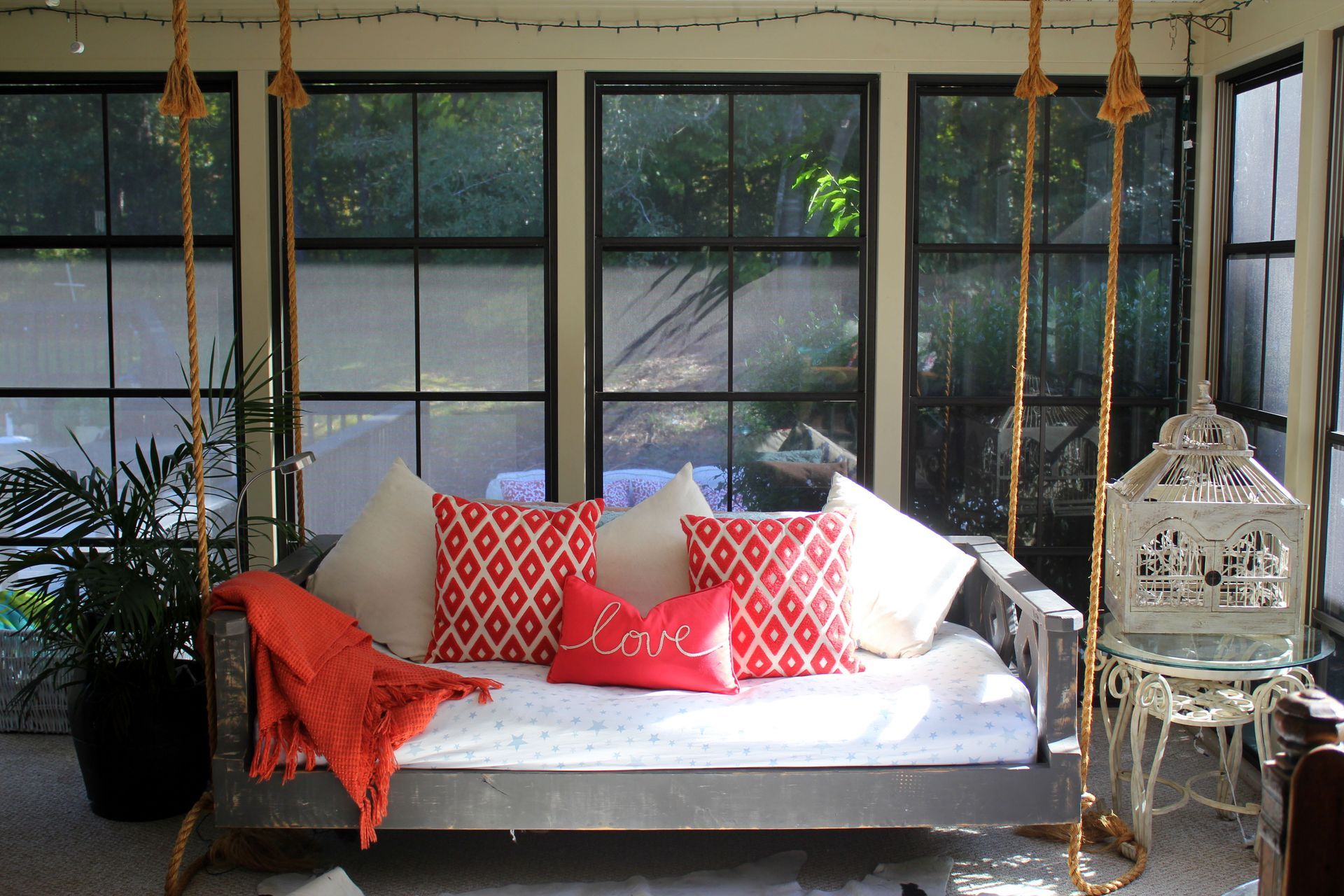
Screen enclosures offer benefits beyond their performance during storms. They can create a more comfortable outdoor area by helping keep insects and small debris away from seating and entertaining spaces. Depending on the design, they can also provide shade or work alongside other outdoor features to make a patio more practical.
According to Fixr, 17% of surveyed experts identified the use of indoor comforts in outdoor spaces as a growing design trend to extend the feeling of home to patios and decks. This reflects homeowners' interest in creating outdoor areas that are comfortable, functional, and inviting.
A local screen enclosure can help support this goal by creating a defined space for relaxing, dining, or spending time with family. However, homeowners should distinguish everyday comfort from severe-weather protection. Screens do not provide the same barrier as solid walls, and outdoor furnishings and accessories may still need to be moved or secured before a storm.
Austin Patio provides custom screen room installation in Central Texas. Homeowners can discuss their property's layout, preferred use, and design goals to determine which enclosure options are appropriate for their outdoor space.
Maintaining the Enclosure Before and After Storms
Regular maintenance helps keep a screen enclosure in good condition and makes it easier to identify concerns before severe weather arrives. Dirt, leaves, and other debris can accumulate on screens and around the frame, while repeated exposure to wind and rain may reveal loose connections or worn materials. Routine care helps a local screen enclosure remain in good condition and may reduce the risk of preventable damage.
Homeowners should establish a simple maintenance routine that includes cleaning the screens according to the manufacturer's recommendations, checking accessible hardware, and keeping the surrounding area clear. Avoid using cleaning methods or chemicals that could damage the screen fabric or frame finish.
Before an expected storm, secure movable items and check for visible damage. After the weather passes, look for torn panels, loose components, fallen branches, and water accumulation. If damage is present, address it before the next storm rather than assuming the enclosure will continue to perform as intended.
Professional installation and appropriate maintenance can support long-term use, but homeowners should always follow local weather alerts and evacuation instructions. A screen enclosure should never be treated as a storm shelter during dangerous conditions.
Planning a More Storm-Ready Outdoor Space
A screen enclosure can make outdoor living more enjoyable while helping keep insects and everyday debris away from patios. A local screen enclosure's ability to handle severe storms depends on the structure's design, materials, anchoring, installation quality, and ongoing care. Understanding these factors helps homeowners set realistic expectations and take practical steps to reduce preventable damage.
Before installing or upgrading an enclosure, consider local weather conditions, drainage, wind exposure, and the property's layout. Routine inspections and storm preparation can also help identify potential issues before they become more serious.
For help planning a custom screen room that suits your outdoor living goals, contact Austin Patio to discuss your project and request a free estimate.
Share On: